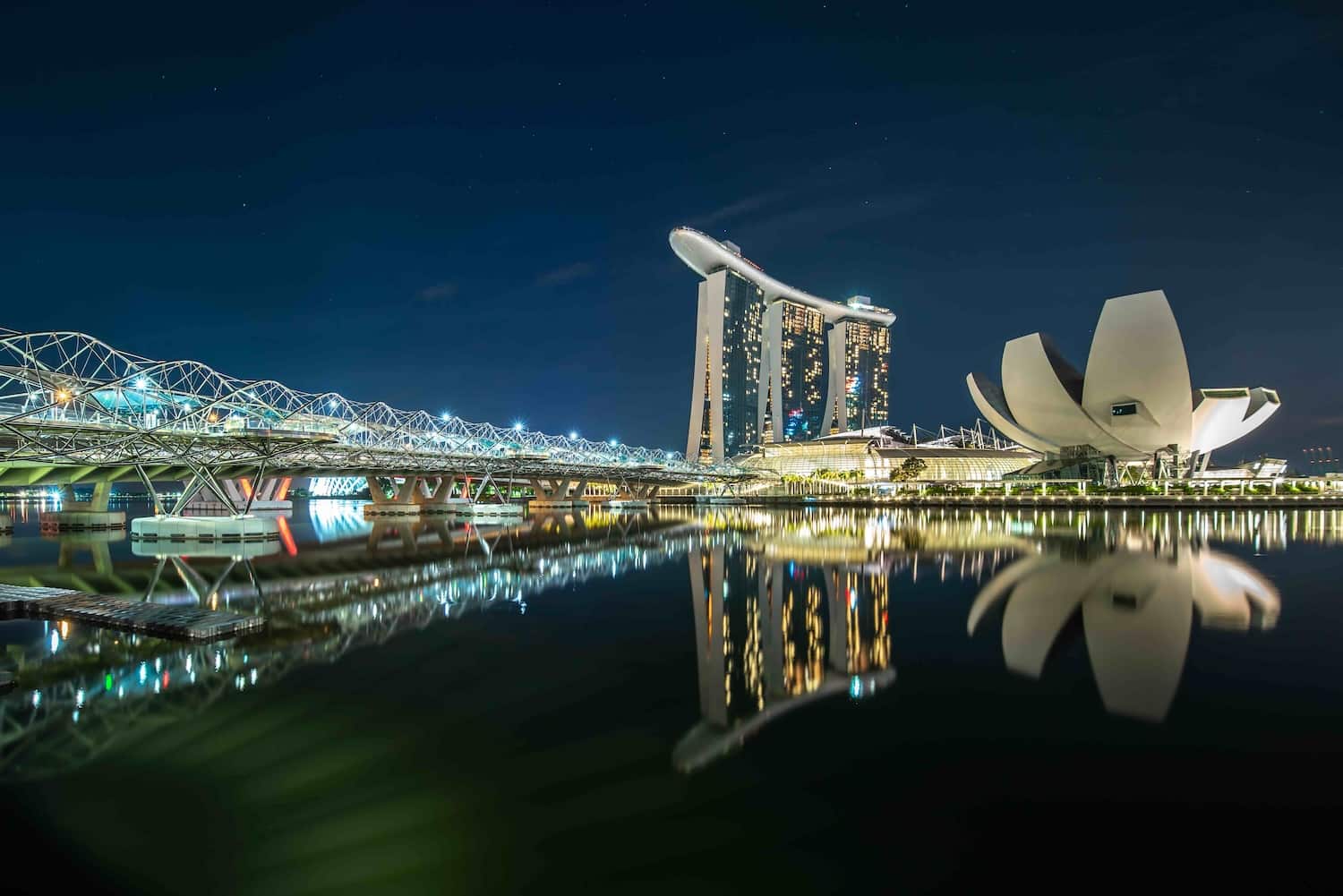
Singapore Convention Week (SC Week), taking place in Singapore from 24 to 28 August 2026, is no longer just an event built around the anniversary of the Singapore Convention on Mediation. It has become a global platform where arbitration, mediation, litigation, technology, and international dispute resolution policy are discussed in the same week. In previous years the event has brought together more than 5,600 participants from over 100 countries.
This year’s theme is “Timeless Principles, Timely Solutions: Nurturing Trust in a Changing World.” The week coincides with UNCITRAL’s 60th anniversary and the 200th anniversary of Singapore’s modern legal system (SGLaw200); the programme itself is built around the question of how enduring principles can be preserved in a rapidly changing technological environment.
Where Will AI Stand in Mediation?
A workshop titled “The AI-Enabled Mediation: Innovation, Ethics and Access to Justice, and the Future of Dispute Resolution,” held as part of the UNCITRAL Academy Conference on 25 August, is being run in partnership with the Singapore International Mediation Centre (SIMC). The session will discuss how AI can support mediators in complex, multi-party, and cross-border disputes, as well as responsible use, access to justice, and whether UNCITRAL should develop early standards in this area. The session opening with a presentation by SIMC CEO Chuan Wee Meng, and Alibaba Group’s Jieyun Li among the speakers, signals that the discussion will be grounded in practice, not only in theory.
Why Is Trust Becoming More Central as Technology Advances?
The main conference’s opening panel is titled “Trust as the New Currency: Values in a Tech-Driven World.” The panel examines how, as technology brings speed and accessibility to dispute management, legal systems and users can come to trust these tools. A debate held the same day, titled “Trust Me, I’m a Lawyer: Lawyers Who Use AI Are More Effective Than Those Who Don’t,” puts the question of whether AI-using lawyers are genuinely more effective to two opposing teams, with the audience voting on the outcome.
Is Mediation Becoming a Tool of Commercial Diplomacy?
An event held by SIMC during the week, titled “Future of Commercial Diplomacy: Mediation Amidst Disruptive Technologies and Geopolitics,” discusses how mediation might position itself as a tool of “commercial diplomacy” that preserves relationships in international trade amid geopolitical tensions and technological transformation. For ADRİstanbul, this framing is notable: it raises the possibility of positioning mediation not merely as a technical method for resolving individual disputes, but as a strategic tool that sustains relationships between states and companies.
Which Method for AI and Technology Disputes?
Another session in this week’s programme focuses on a practical question for in-house counsel, technology companies, and dispute resolution practitioners: which dispute resolution process should be chosen for cross-border AI, technology, and intellectual property disputes? Moderated by Adriana Uson of the Singapore International Arbitration Centre (SIAC), with experts from the CPR Institute, the Intellectual Property Office of Singapore (IPOS), Microsoft, Allen & Gledhill, and JAMS, the session examines the choice between litigation, arbitration, mediation, and hybrid methods through criteria such as confidentiality, expertise, speed, interim relief, enforceability, cost, and the preservation of the commercial relationship.
Where Does the Singapore Convention Stand Seven Years On?
The first session of the UNCITRAL Academy Government Capacity-Building Workshop on 27 August opens with a special session held in honour of UNCITRAL’s 60th anniversary, titled “The Singapore Convention on Mediation Around the World.” This session is open to all SC Week attendees, and senior government officials from Jamaica, Uzbekistan, Pakistan, Japan, and the United Kingdom will speak on the significance of the Convention for their respective countries and the steps they are taking toward becoming a party.
The day’s second session, by contrast, is held only for invited government officials and examines advanced mediation techniques through a hypothetical investor-State scenario. ICSID Chief Counsel Frauke Nitschke is also among the speakers at this closed session; it is worth noting, however, that this session is not open to the general public.
ADRİstanbul’s View
Looking at the 2026 programme as a whole, the question is not “which method is better?”; it is which method, at which stage, and with which process design, will respond to the changing nature of disputes. From AI-enabled mediation to investor-State disputes, from commercial diplomacy to method selection in technology disputes, the common thread running through this week’s topics is exactly this: a search for a dispute resolution architecture designed around each dispute’s needs, rather than a fixed template.
What Will We Be Watching This Week?
What common lessons will emerge from the Singapore Convention’s adoption and implementation across different countries? Will a concrete standards proposal emerge for AI-enabled mediation? Which approaches will stand out in investor-State mediation? How will hybrid models be positioned in technology disputes? We will address the answers to these questions in a second article assessing the week, published at its close.
Sources
- Singapore Convention Week 2026, Programme – singaporeconventionweek.sg.
- Ministry of Law Singapore (MinLaw), Singapore Convention Week 2026 Brings Global Community Together to Reaffirm Enduring Principles of Rule of Law and Fairness in a Changing World.
- UNCITRAL, Singapore Convention Week and UNCITRAL Academy – uncitral.un.org.
- MinLaw, Singapore Convention Week 2025 Returns with Refreshed Programme.