Dignified Living and the Role of Mediation
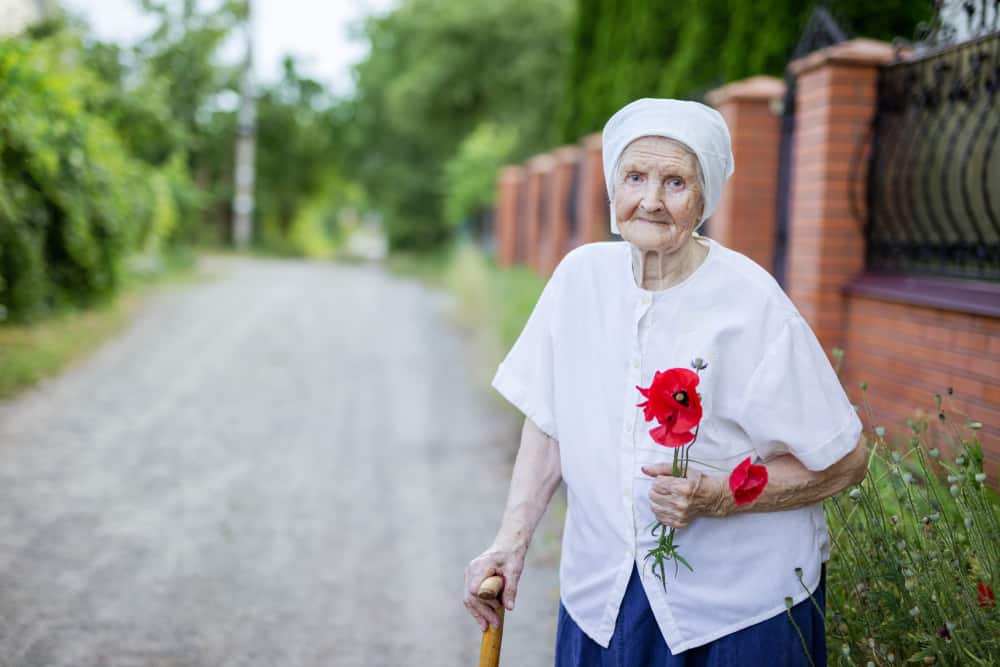
Every year on October 1, the International Day of Older Persons reminds societies that aging is not merely a biological process but also a social, cultural, and legal matter. This day offers an important opportunity to highlight the challenges older individuals face and to emphasize their right to a dignified, safe, and respectful life.
Aging is not a privilege or a favor; it is a fundamental human right. However, longer lifespans, changes in family structures, and rapidly evolving social dynamics make the lives of older people increasingly complex. In areas such as care, inheritance, health decisions, or intergenerational conflicts, their voices often go unheard. At this point, mediation emerges as a peaceful, fair, and inclusive tool to safeguard the rights and dignity of older persons.
Older Persons’ Rights: An Inseparable Part of Human Rights
Protecting the rights of older individuals is not only a social responsibility but also a fundamental human rights issue. Dignified living, security, access to healthcare, economic assurance, participation in decision-making processes, and respect are not merely requests—they are the most basic rights older persons hold. Yet social prejudices and misconceptions sometimes lead to these rights being ignored or left to the discretion of families and institutions.
This is precisely where mediation contributes by resolving disputes faced by older persons through peaceful means. In sensitive matters such as inheritance, caregiving responsibilities, healthcare decisions, or intergenerational communication, mediation enables parties to be heard and to find common ground in an environment of trust. As a result, older people’s quality of life improves, while the culture of justice and solidarity within society is strengthened.
The International Day of Older Persons is an important occasion to make these rights visible and bring them back to the forefront. Protecting older individuals is not just a personal responsibility but also a collective obligation. Justice systems must internalize this perspective: they should not only resolve disputes among the elderly but also implement mechanisms that reinforce their rights.
The Importance of Mediation for Older Persons’ Rights
Conflicts that arise in old age often revolve around issues that require empathy, respect, and consensus rather than swift and rigid solutions. Court processes are often long and exhausting, and rather than healing family bonds, they may deepen resentments. Mediation steps in at this point: it allows parties to understand each other, find common ground, and generate solutions.
For older persons, mediation is not just a conflict resolution tool but also a guarantee of dignified living. In these processes, their voices are heard, their preferences taken into account, and their life experiences placed at the center. This approach ensures not only the protection of their rights but also that they are recognized and valued as individuals.
An Opportunity for Social Transformation
The International Day of Older Persons is not only a reminder of their rights but also an opportunity for societies to rethink their futures. Aging should not be associated with loneliness, illness, and exclusion, but instead with wisdom, experience, and intergenerational solidarity.
Mediation processes are key tools for this transformation. Addressing family conflicts through restorative methods, encouraging cooperation in caregiving, and building bridges across generations all help strengthen the social fabric. This approach not only improves the quality of life for older individuals but also contributes to building a more cooperative, fair, and sustainable social structure.
Protecting the Rights of Older Persons Is Everyone’s Responsibility
The International Day of Older Persons reminds us of the most fundamental truth: the rights of older individuals are not a privilege but an inseparable part of human dignity. Listening to their voices, making their needs visible, and protecting their rights is not only the duty of governments or institutions but of society as a whole.
Mediation offers one of the most effective ways to fulfill this responsibility—by producing peaceful, respectful, and rights-based solutions in disputes involving older persons. Every step taken today lays a strong foundation for a more just, inclusive, and supportive society tomorrow.