Mandatory Mediation, Artificial Intelligence, and the Shape of What’s to Come
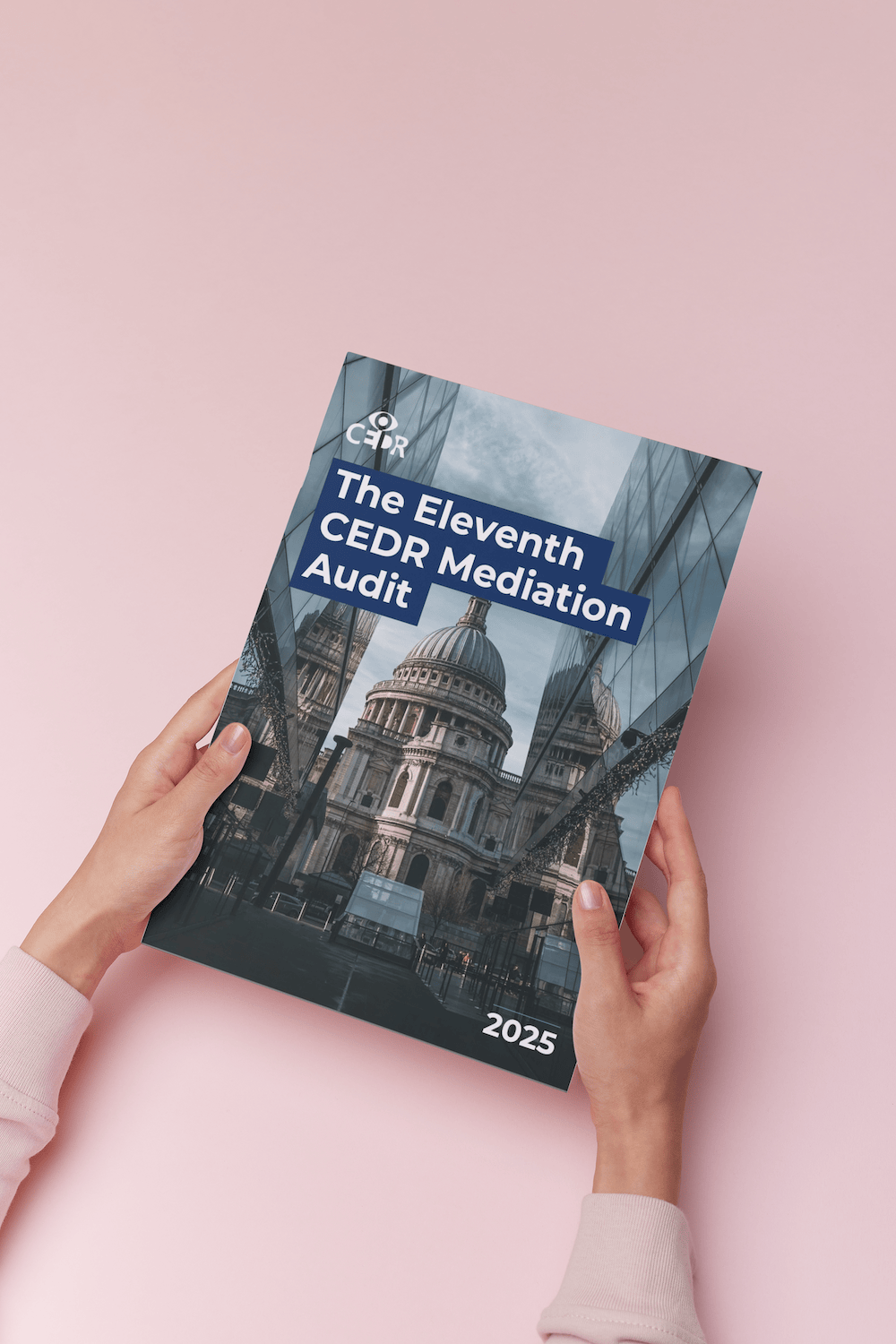
For anyone seeking to understand the current state and future direction of mediation in civil and commercial disputes, the CEDR Mediation Audit 2025 serves as a clear and timely roadmap. Now in its 11th edition, and based on responses from 461 mediators, the report not only reflects developments in England and Wales but also captures key trends relevant to the global dispute resolution community.
One of the most notable takeaways: courts in England can now lawfully refer parties to mediation, following the landmark Churchill v Merthyr Tydfil decision. This change signals more than a procedural adjustment—it reflects a profound paradigm shift. In parallel, 59% of mediators have already adopted AI tools into their practice, while calls for professional regulation are steadily growing.
As a whole, the Audit makes one thing clear: mediation is no longer just an “alternative.” It is fast becoming a central mechanism within modern justice systems.
Key Findings: The New Trajectory of Mediation
The CEDR Mediation Audit 2025 offers more than figures. It highlights transformative patterns within the profession and anticipates pivotal developments in the years ahead. These five headline insights may guide policy and practice far beyond the UK:
- The Era of Mandatory Mediation Has Begun
The UK Supreme Court’s Churchill v Merthyr Tydfil County Borough Council ruling confirms that courts may now require parties to mediate. This has reignited debates on voluntariness, while also accelerating momentum across the sector.
- 60% of mediators expect significant growth following the decision
- 38% are already seeing an uptick in enquiries
- Mandatory mediation is expected to expand particularly for lower-value claims
- AI Adoption is Rising — So Are Ethical Concerns
According to the Audit, 59% of mediators now use AI-powered tools such as ChatGPT and Otter.ai. However, their application remains mostly confined to support tasks such as summarising, drafting notes, and transcription.
- 41% of mediators express concerns regarding confidentiality and ethics
- AI is not currently used for direct party interaction
- Human judgement remains central to the mediation process
- Breaking into the Mediation Market Remains Challenging
Entering the profession continues to require perseverance and strategic self-promotion. According to respondents:
- 70% secured their first five mediations within three years
- Achieving more than 10 mediations per year often takes significantly longer
- 63% cite personal branding and networking as essential, yet difficult in a crowded market
- Support for Regulation is Strengthening
83% of mediators support the introduction of professional regulation—a notable increase from previous years. The preferred regulating body is the Civil Mediation Council (CMC).
- Regulation is viewed as critical for maintaining standards in a court-mandated environment
- However, 17% remain hesitant, citing concerns around costs, administrative burdens, and overregulation
- Growth Areas Are Clearly Emerging
Over the next two years, mediators expect to see increased demand in:
- Civil and commercial disputes
- Workplace and employment conflicts
- Personal injury and debt cases
- Environmental disputes
- Public sector legal challenges (e.g. procurement, planning)
The expansion of court-directed processes is likely to bring many lower-value disputes into mediation.
The Economic Case: Measurable Impact
The 2025 Audit confirms that mediation is not just effective—it is economically compelling.
- Estimated annual savings to the UK economy: £5.9 billion
- Total estimated economic benefit since 1990: £50+ billion
- Annual mediation caseload: 21,000 (a 24% increase from 2022)
- Settlement success rate: 87%
- Estimated return on investment: 90:1
- For every £1 invested in mediation, the economy sees a £90 return
These figures position mediation as not only a viable alternative to litigation, but a vital contributor to economic efficiency and access to justice.
Why This Matters Beyond the UK: The Turkish Perspective
While based in the UK, the report’s findings offer valuable insights for jurisdictions like Turkiye—where mediation has already become an integral part of the legal landscape in employment, commercial, and consumer disputes.
- Mandatory Mediation: Turkiye introduced court-annexed mediation early, but further expansion—especially in administrative and public law disputes—is still under discussion.
- AI and Digital Transition: Turkish mediators are adopting digital tools, yet national ethical frameworks for secure and impartial use are still emerging.
- Professional Oversight: Licensing and training are state-regulated, yet there is a growing need for performance monitoring, transparency, and reputation-building mechanisms.
- Careers and Competition: Young mediators face challenges entering the field, much like their UK counterparts. Market awareness and international accreditation are increasingly vital.
- Growth Sectors: The same areas—employment, debt, environmental issues—are seeing increased demand in Turkiye. Early intervention could reduce case backlogs and improve outcomes.
For Turkiye, the report is more than an audit—it’s a strategic signal. Mediation is evolving from an alternative to a primary dispute resolution tool, and aligning with global standards is both a challenge and an opportunity.
Mediation as a Core Justice Mechanism
The CEDR Mediation Audit 2025 makes it abundantly clear: mediation is not on the periphery—it is at the heart of modern dispute resolution systems. With significant economic benefits, evolving regulatory frameworks, and the rise of digital tools, mediation is transforming how justice is delivered.
For countries like Turkiye, which embraced mediation early, this report offers both validation and inspiration. From AI integration to sector-specific growth strategies, global insights can shape a more resilient and accessible mediation infrastructure for years to come.
To explore the full report and expert insights:
Full report:
https://learn.cedr.com/the-eleventh-cedr-mediation-audit
Video summary – Interview with Graham Massie:
https://www.youtube.com/watch?v=vJurk-vG2a8