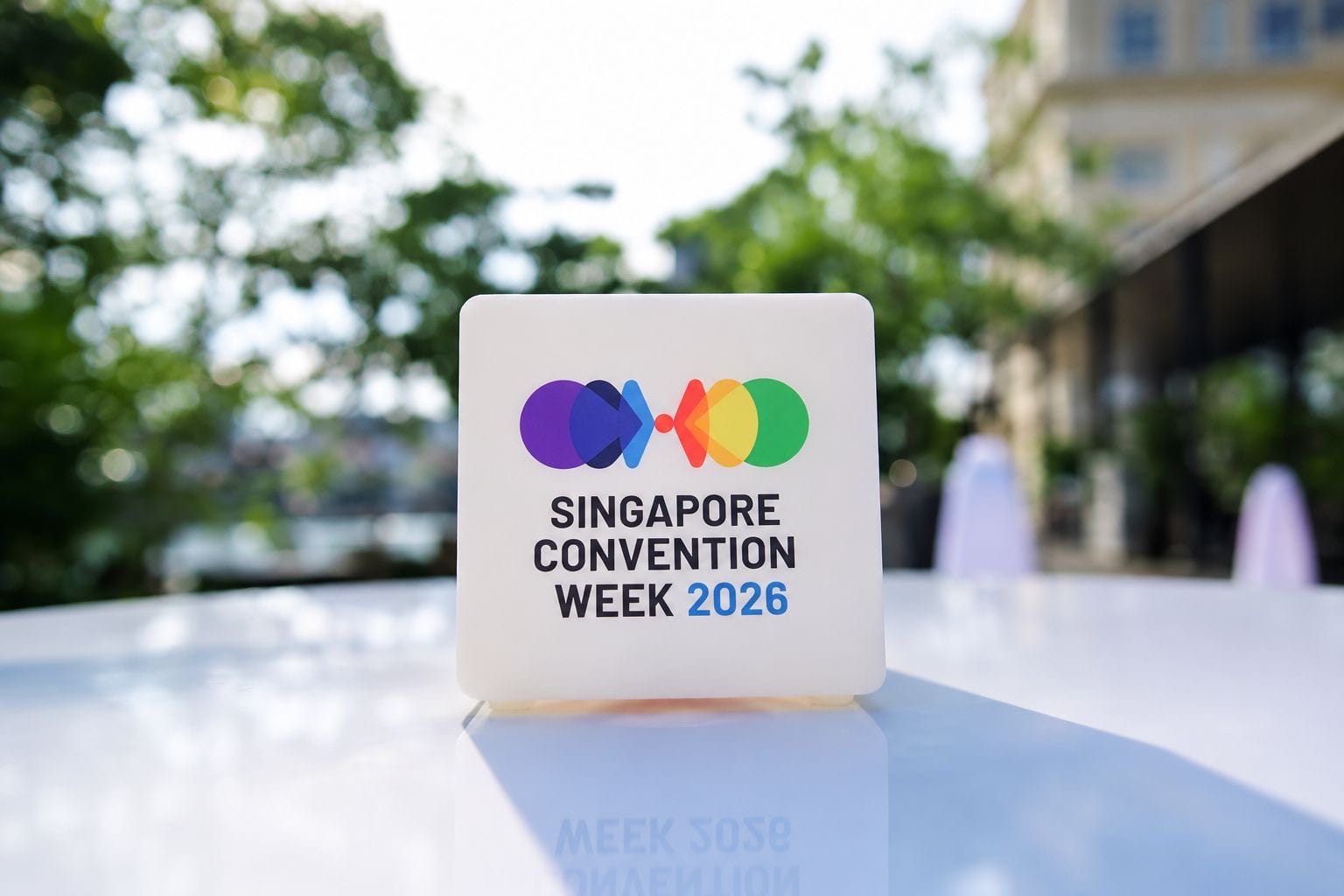
Singapore Convention Week 2026 was held in Singapore from 24 to 28 August, coinciding this year with two significant anniversaries: 200 years since the foundations of Singapore’s modern legal system were laid by the Second Charter of Justice in 1826 (SGLaw200), and UNCITRAL’s 60th anniversary. The week was organised under the theme “Timeless Principles, Timely Solutions: Nurturing Trust in a Changing World.” In his opening message, Minister for Law Edwin Tong tied the theme to three questions: how to honour enduring values while evolving to meet new demands, how to develop tools that are both principled and practical, and how to ensure that trust in institutions, in processes, and in one another remains the foundation of every resolution. As Minister Tong put it, principles alone are no longer enough; “we also need practical, timely solutions that respond to the demands of a new era.”
Day One: A Current Agenda Built on a Century-Old Legacy
The week opened on 24 August with the SIAC Symposium. In keeping with the spirit of the two anniversaries, the sessions focused on today’s pressing issues: cross-border disputes involving China, India and the United States; energy-transition disputes in Southeast Asia; disruptions in supply chains; the development of arbitration in the Middle East; and the impact of legal technology on arbitration practice. It was also notable that the first day’s programme addressed the impact of artificial intelligence and online dispute resolution on mediation ethics; from day one, technology was discussed not only in terms of speed and efficiency but also trust and professional standards.
Day Two: An Institutional Breakthrough and a Debate on Trust
The most concrete development of the second day came at the UNCITRAL Academy Conference: Singapore formally put forward its bid to host a proposed permanent Multilateral Investment Tribunal for resolving investor-state disputes. On the same day, the Ministry of Law and the National University of Singapore announced the joint establishment of the Centre for Arbitration and International Dispute Resolution (CAIDR). For the rest of the day, sessions titled “Trust as the New Currency” and “Back to Basics: The Human Element in Dispute Resolution” examined the place of technology in dispute resolution through the lens of trust and human judgment.
Day Three: Mediation’s Expanding Territory
The third day featured sessions showing that mediation is moving beyond its role as a remedy sought only after a dispute has already arisen. At the Singapore International Mediation Centre’s annual flagship event, “Future of Commercial Diplomacy: Mediation Amidst Disruptive Technologies and Geopolitics,” Minister for Law Edwin Tong delivered the keynote address, and a fireside chat with Ho Kwon Ping, Founder of Banyan Group, opened up discussion on mediation’s role in commercial diplomacy. “Making the Case for Mediation in ISDS” examined why states and practitioners still use the method sparingly. At “When the State Comes to the Table: Mediation, Justice and the Public Interest,” organised by the IBA Mediation Committee, Bill Marsh drew on his experience mediating claims arising from the Grenfell Tower fire to explore what mediation can achieve, and where its limits may lie, in disputes involving a state and matters of public interest. “Cross-Border Risk in a Climate-Stressed World” looked at the new risks climate pressure is creating for cross-border commercial relationships.
Day Four: Asian Perspectives, an AI Guide, and Institutional Growth
On the fourth day, “Mediation Through Asian Perspectives: Building Trust in Commercial Dispute Resolution” brought together the experiences of Singapore, China and Mongolia. The same day saw the release of “Prompt Engineering for Mediators,” a guide prepared jointly by the Singapore Mediation Centre, the Singapore Academy of Law and Microsoft, which positions generative AI not as a replacement for the mediator but as an accompanying “thinking partner.” At the UNCITRAL Academy’s government-focused workshop, countries’ experiences implementing the Singapore Convention were reviewed. The same day, ICSID formally opened its premises at Maxwell Chambers, making Singapore the first country to host local offices for all five World Bank Group institutions. During the week, the Swiss Arbitration Association (ASA) and Maxwell Chambers also signed a memorandum of understanding aimed at bringing the Swiss and Singaporean dispute resolution communities closer together.
One Shared Question: Not Which Method, but Which Design
A recurring pattern emerges across the week’s different days. The discussion is moving away from the question of “which method is better.” In its place, what matters is which process design, for which kind of dispute and at which stage, will produce a reliable and effective outcome. From AI-assisted mediation to investor-state disputes, from climate-driven commercial risk to commercial diplomacy, these different topics all connect to the same underlying question: which process design best protects trust?
ADRİstanbul’s Assessment
The picture that emerged over the week shows that dispute resolution can no longer be considered separately from the agendas of trade, technology and geopolitics. The investor-state tribunal initiative and the founding of CAIDR are part of arbitration’s effort to rebuild its own legitimacy. Mediation, by contrast, moved toward an increasingly central role across nearly every topic discussed this week, including commercial diplomacy, climate risk, artificial intelligence and investor-state disputes. This once again confirms why mediation’s party-driven, flexible and trust-building nature makes it such a valuable alternative dispute resolution method in a changing world. The institutional steps Singapore took this week, CAIDR, ICSID’s new premises, and the ASA partnership, are part of a growing infrastructure in this direction; but as Minister Tong himself emphasised, the real question is not infrastructure, but how trust in institutions and processes will be preserved.
Sustainable Development Goals